


The Role of Peer Tutoring in Learning: A Collaborative Approach to Success

Overview
Peer tutoring is an effective educational method that enhances student learning by fostering collaboration and reinforcing knowledge retention. It benefits subjects like math and reading, improves academic performance, builds confidence, and strengthens relationships among students. Incorporating AI can further enhance peer tutoring experiences, though challenges such as proper matching and training must be addressed. Embracing peer tutoring can lead to a more supportive and engaging learning environment.
Contents
In recent years, the education landscape has evolved significantly, embracing innovative teaching methods to enhance student learning. Among these methods, peer tutoring has gained traction as an effective way to improve academic outcomes. This interactive learning process enables students to learn from and teach their peers, fostering a collaborative environment. In this blog post, we will explore the remarkable role of peer tutoring in learning, specifically in areas like Math tutoring, Reading for kids, Test Prep, and even the incorporation of AI in Education.
Understanding Peer Tutoring
Peer tutoring involves students supporting each other in their learning journey. This method is particularly beneficial for both the tutor and the tutee, promoting a sense of responsibility and reinforcing knowledge retention. It can take various forms, such as one-on-one tutoring sessions, small group collaborations, or structured programs where trained peer tutors assist struggling classmates.
The Benefits of Peer Tutoring
Peer tutoring comes with numerous advantages that can significantly impact learning experiences. Some key benefits include:
Increased Understanding: When students explain concepts to one another, they deepen their understanding and reinforce their learning.
Enhanced Communication Skills: Teaching allows tutors to develop their communication and interpersonal skills.
Improved Academic Performance: Studies indicate that students who participate in peer tutoring often see improvements in their grades and overall academic performance.
Boosted Confidence: Both tutors and tutees gain confidence in their abilities, enhancing their willingness to engage with the subject matter.
Stronger Relationships: Peer tutoring encourages collaboration among students, fostering relationships and camaraderie.
Peer Tutoring in Math Learning
One of the subjects that significantly benefits from peer tutoring is math. Math tutoring often involves complex concepts that require individual attention. Utilizing peer tutoring in math classes allows students to tackle difficult topics together, share strategies, and motivate one another.
For example, if a student struggles with algebra, a peer tutor who has mastered the subject can break down the concepts into manageable segments. This personalized approach not only assists the student in grasping the material but also empowers the tutor to solidify their own understanding.
Insights from Research
Research shows that students who engage in peer tutoring in math demonstrate improved problem-solving skills and increased enthusiasm for the subject. Moreover, tutors are often seen as relatable role models, leading to a greater willingness for the tutee to seek help and engage in their learning process.
The Impact on Reading for Kids
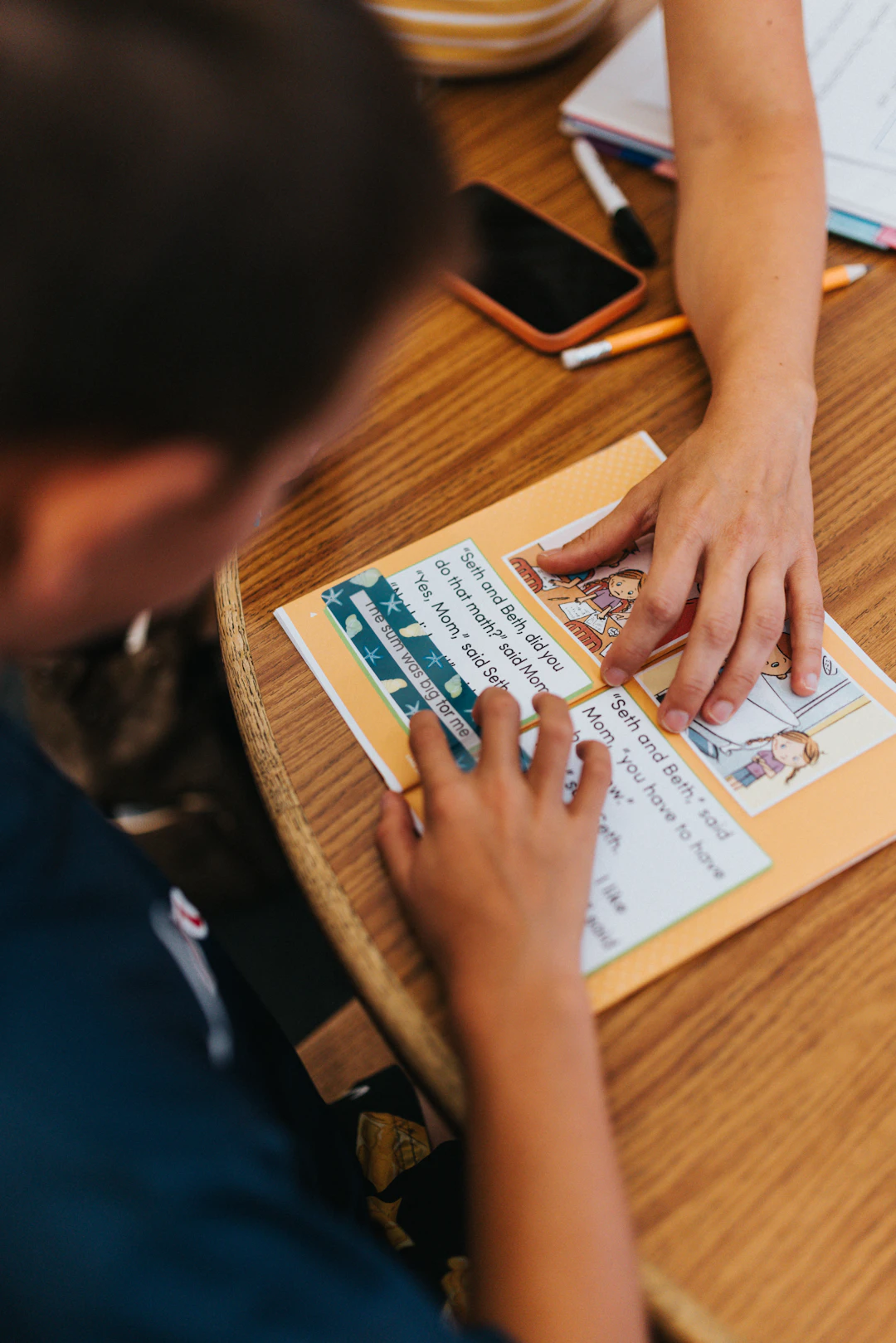
Reading is another area where peer tutoring shines, especially in early education. The process of Reading for kids can sometimes be challenging, with various factors affecting comprehension and fluency. Peer tutoring initiatives can cultivate a love for reading and improve literacy skills by encouraging children to read with their peers.
Children often feel more comfortable reading to their classmates than to adults, which can help to alleviate anxiety and build confidence. Tutors can model reading strategies, share feedback, and engage in meaningful discussions about the stories they read together.
Engagement Through Collaboration
By collaborating on reading activities, students also learn how to discuss literature, analyze content, and develop critical thinking skills. Such engagement not only enhances their reading abilities but also reinforces social skills and teamwork.
Peer Tutoring and Test Prep
As students approach important assessments, peer tutoring can play a crucial role in Test Prep. Preparing for tests can generate significant stress, but having a peer tutor can lessen this burden. Peers can share study strategies, create practice quizzes, and help each other identify areas needing improvement.
Students can form study groups where they hold each other accountable and encourage consistent study habits. This collaborative approach not only enhances retention of information but also allows students to explore various techniques that suit their learning styles.
Creating a Supportive Environment
Such supportive test prep activities help combat feelings of isolation that students may face during the lead-up to crucial exams. The camaraderie developed through peer tutoring encourages students to support one another and thrive together.
AI and Peer Tutoring
Incorporating technology into the learning process can further enhance the benefits of peer tutoring, especially with the rise of AI in Education. Online platforms can facilitate peer tutoring by connecting students with their peers from different locations, allowing them to collaborate using digital tools. This opens up a world of possibilities, especially in remote learning environments.
AI can also help create personalized learning experiences, identifying student weaknesses and pairing them with peers who can assist with specific topics. This tailored approach ensures that students receive the help they need while fostering collaboration among learners.
Expanding Learning Opportunities
Moreover, AI can allow for more structured peer tutoring programs in schools, helping educators track student progress and relationships. Expanding these opportunities not only benefits the students involved but also creates a culture of helping and sharing knowledge within the educational environment.
Challenges of Peer Tutoring
While the advantages of peer tutoring are extensive and profound, it's essential to address potential challenges as well. Not all students are comfortable in tutoring roles, and some may struggle to communicate effectively. Ensuring that tutors are trained and equipped with strategies to convey their knowledge is crucial.
Additionally, it’s important to match students appropriately to ensure the best dynamics for learning. Incorrect pairings may lead to frustration and a negative experience, undermining the benefits of peer tutor programs. Proper assessment is key to creating successful tutoring relationships.
Implementing Effective Peer Tutoring Programs
When implementing peer tutoring programs, schools and organizations should focus on providing clear guidelines, training for tutors, and ongoing support. Establishing a structured environment allows students to thrive and maximizes the intrinsic benefits of collaborative learning.
Embracing the Future of Learning
Looking ahead, peer tutoring is poised to play an increasingly vital role in education. By embracing this collaborative approach, students can benefit from a unique blend of academic support and social interaction. Whether through Math tutoring, Reading for kids, or Test Prep, peer tutoring helps students harness their potential and provides an environment for growth.
As we embrace advancements like AI in Education, the future of peer tutoring appears bright. By combining technology with traditional learning methods, we can create more engaging, personalized, and supportive educational experiences that cater to the diverse needs of every student.
Explore the transformative power of peer tutoring and elevate your learning experience today by considering various avenues for academic support offered through your local educational resources.
FAQs
What is peer tutoring?
Peer tutoring involves students supporting each other in their learning journey, either through one-on-one sessions or group collaborations.
What are the benefits of peer tutoring?
Peer tutoring offers increased understanding, enhanced communication skills, improved academic performance, boosted confidence, and stronger relationships among students.
How does peer tutoring help in Math learning?
Peer tutoring in Math allows students to tackle complex concepts together, share strategies, and motivate one another, leading to better understanding and problem-solving skills.
How can peer tutoring improve reading skills for kids?
Peer tutoring fosters a love for reading, improved literacy skills, and helps children feel comfortable reading by allowing them to practice with peers rather than adults.
What role does AI play in peer tutoring?
AI can enhance peer tutoring by connecting students through online platforms, creating personalized learning experiences, and helping educators track student progress.




Comments